How to Choose the Right Latex Mattress Topper: Comfort, Support, and Longevity
A latex mattress topper can transform the feel of a bed without the need to replace an entire mattress. In this guide, we explore the science of latex, the varieties that influence durability and comfort, and practical steps to select a topper that aligns with your sleep needs. Drawing from historical perspectives, contemporary design thinking, and a nod to notable figures who shaped how we understand rest, this article invites readers to think about sleep as a layered experience—not merely a single event but a designed environment.
The enduring appeal of latex in bedding
Latex has long stood as a distinctive material in sleep technology. Its resilience, breathability, and innate elasticity make it uniquely suited to support and contour without sacrificing airflow. The history of latex in bedding intersects with medical and ergonomic research as practitioners—from the mid-20th century to contemporary sleep scientists—have emphasized the value of responsive support that aligns with the body’s curves. This longevity is one reason latex continues to surface in cornerstones of high-quality mattresses and toppers alike.
Two primary latex manufacturing methods shape the feel of toppers: Dunlop and Talalay. Dunlop latex yields a denser, more straightforward core, often imparting an overall firmer and supportive feel. Talalay, by contrast, introduces a flotation of cells that can feel lighter, more uniform, and springier. Both methods are used in natural and organic formulations, allowing for a range of firmness levels while preserving breathability and durability. Understanding these distinctions helps buyers pair a topper with a mattress and sleep position in a way that sustains spinal alignment and minimizes heat buildup.
Key latex types and certifications that matter
When selecting a latex topper, consider the following critical distinctions:
Natural vs. synthetic: Natural latex, sourced from rubber trees, is often preferred for its resilience and lower chemical burden. Synthetic or blended latex can alter feel and price but may still offer durability depending on formulation.
Organic certifications: Certifications such as GOTS (Global Organic Textile Standard) for covers and Oeko-Tex or GOLS for latex components help ensure fewer harmful chemicals and more transparent sourcing.
Dunlop vs. Talalay: Understanding the core structure helps predict firmness, contour, and temperature regulation. Dunlop tends to be denser; Talalay tends to be lighter and more uniform.
Certifications and standards: Look for third-party testing and transparent material specs. Some toppers advertise "natural" or "organic" without formal certification; verify with documentation.
For readers who prioritize environmental responsibility or skin-sensitivity considerations, a latex topper with clear organic or natural certifications can be a meaningful signal of product integrity. This is especially important for those who want to maintain a cool sleep surface and minimize allergen exposure over years of use.
Choosing firmness, thickness, and cover material
The decision matrix for a latex topper begins with firmness, guided by your body weight, sleeping position, and existing mattress feel. Common guidance suggests:
Firmness: Light- to average-weight sleepers may find medium to medium-firm toppers ideal for balanced support and pressure relief. Heavier sleepers often benefit from firmer toppers to prevent excessive sinkage and maintain spinal alignment. Side sleepers may prefer slightly softer contours to cradle shoulders and hips, while back and stomach sleepers often favor firmer surfaces to keep the spine aligned.
Thickness: Thicker toppers (3–4 inches) tend to offer more pronounced cushioning and pressure relief, while thinner toppers (1–2 inches) provide subtle lift and protection without drastically changing the feel of the underlying mattress.
Cover materials: A breathable, quilted organic cotton or bamboo cover can improve moisture management and comfort. Removable, washable covers simplify care and extend topper life.
Careful attention to care requirements—spot cleaning versus machine washing, drying instructions, and avoiding chemical cleaners—helps preserve latex’s elasticity and surface feel. Regular maintenance, such as rotating the topper and protecting it with a mattress protector, can further extend its lifespan.
Maintenance and longevity: extending latex topper life
A well-cared-for latex topper can remain supportive for many years. Practical steps include:
Regularly rotate the topper to prevent uneven wear and indentations.
Use a breathable mattress protector to shield against moisture and spills while allowing airflow.
Avoid exposure to direct sunlight or high heat, which can degrade latex elasticity over time.
Follow manufacturer care instructions for washing or spot-cleaning the cover, and avoid harsh solvents.
If the topper begins to sag or lose support, it may be time to evaluate replacement. Latex toppers are designed to endure, but even the most robust materials benefit from attentive care and an environment that favors temperature regulation and air exchange.
A practical lens: buying with a non-commercial eye
In an era saturated with product claims, a non-commercial, evidence-informed approach to selecting a latex topper emphasizes transparency, verifiable materials, and real-world performance. The emphasis here is not on steering readers toward a specific purchase but on providing the framework to discern quality, durability, and comfort.
To illustrate the practical application of these principles, consider the following hypothetical scenarios and the considerations they foreground:
Scenario 1: A couple with differing sleep needs — One partner craves contouring support, while the other prefers a lighter, breathable surface. A medium to medium-firm topper with a breathable cover may offer a balanced compromise, potentially paired with a 3-inch profile for adequate contour without excessive sinkage.
Scenario 2: A hot sleeper with an existing spring mattress — A latex topper with excellent breathability and a cooler cover can help regulate temperature, while a thinner profile preserves the mattress’s overall feel.
Scenario 3: A sensitive sleeper seeking organic materials — Prioritize toppers with organic certifications and transparent sourcing, complemented by a water-resistant, breathable cover to minimize allergen exposure and simplify cleaning.
Notable voices through time: perspectives on comfort and design
The discourse around rest and the built environment has been enriched by thinkers from different epochs. Here are three key figures who, in their respective eras, offered ways to understand comfort, materiality, and the human need for restful design:
Hypatia (c. 370–415 CE) — Ancient wisdom, modern sensitivity
Hypatia’s enduring commitment to knowledge and rational inquiry offers a lens for evaluating claims about the body and space. While not a sleeping science figure in the modern sense, her insistence on evidence and careful reasoning invites us to scrutinize product claims with a similar rigor. In the context of latex toppers, this translates to seeking clarity about material origins, certifications, and the real-world performance data behind comfort claims.
Florence Nightingale (1820–1910) — Design for healing environments
Nightingale’s principles around sanitation, environment, and human comfort inform modern sleep space design. Her legacy suggests that bedding and mattress selection should consider cleanliness, air quality, and the relationship between environment and wellbeing. A latex topper designed with a breathable cover and easy care aligns with the ethic of a space that supports health and recovery.
Jane Jacobs (1916–2006) — The city as a living organism, but with personal space in mind
Jacobs championed the idea of human-centric environments where small design decisions improve daily life. Applied to the bedroom, this perspective encourages readers to consider the microdesign of sleep spaces: the texture of a topper’s cover, the temperature dynamics of the room, and the way a topper interacts with a mattress to shape daily rest and vitality.
These voices remind us that the dialogue about comfort is not merely about sensation. It is about the relationship between the body, the room, and the materials that translate precise structure—such as a latex core—into lasting rest. The philosophy guiding a purchase is as important as the product itself: seek materials with integrity, ensure the design supports health, and cultivate a sleep environment that respects the science of rest.
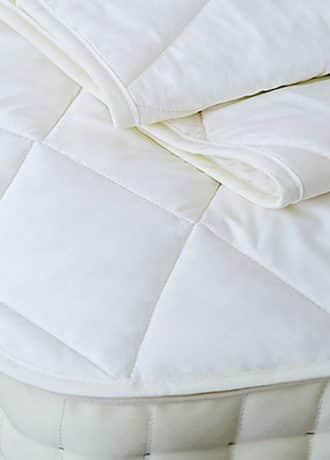
A well-chosen topper is complemented by careful protection for the underlying surface. The Vispring Lux Skirted Mattress Protector embodies the principle of using high-quality materials to extend the life of a mattress while maintaining comfort and hygiene. Though not a latex topper, its organic cotton construction, wool filling, and elasticized skirt provide a breathable layer that helps regulate moisture and preserve the mattress—an important consideration for any sleep surface seeking longevity and cleanliness.
Product: Vispring Lux Skirted Mattress Protector
Brand: Vispring
Price: $615.00
Description: Pure organic cotton outer, filled with British wool; fully elasticized skirt ensures a secure fit.
Incorporating quality protectors into a sleep setup aligns with a non-commercial, evidence-informed approach: protect the investment in a latex topper and underlying mattress, while maintaining a breathable, comfortable sleeping environment. This pairing demonstrates how thoughtful accessories augment core materials to create a holistic, long-lasting bed.
Putting it together: a methodical approach to selecting a latex topper
Assess your sleep position and weight—Determines the target firmness and contour level. Side sleepers often benefit from a slightly softer contour; back sleepers may prefer a medium to medium-firm profile to preserve spinal alignment.
Decide on latex type and certification—Choose natural/organic latex with credible certifications when possible. Consider whether Dunlop or Talalay better matches your preferred feel.
Choose thickness and cover material—Select a thickness that provides chosen contour without compromising support. Pick a breathable, washable cover for easy maintenance and temperature management.
Consider care and sustainability—Evaluate washing instructions, the environmental footprint of materials, and how you will protect the topper against moisture and wear over time.
By grounding this decision in attention to materials, breathability, and long-term suitability, readers can select a latex topper that enhances comfort without compromising health or ecological considerations.
Frequently asked questions
Is latex topper better than memory foam? Both materials offer distinct benefits. Latex tends to be more breathable, resilient, and responsive, with less heat retention than some memory foams. The best choice depends on your sleep temperature, pressure relief needs, and personal preference.
How long does a latex topper last? With proper care, latex toppers can last many years, often longer than other foam types. Durability is influenced by latex quality, thickness, and usage patterns.
Do certifications matter? Yes. Certifications help verify organic sourcing, chemical safety, and overall product integrity. Look for third-party verification and transparent material disclosures.
What about temperature regulation? Latex is naturally breathable due to its cellular structure, especially when paired with a breathable cover. A good topper can help alleviate heat buildup compared to denser, non-breathable foams.
Experience cooler, cleaner nights with this pure cotton protector that breathes, shields spills, and stays put with a secure elastic fit—so your Vispring mattress remains fresh, comfortable, and long-lasting.
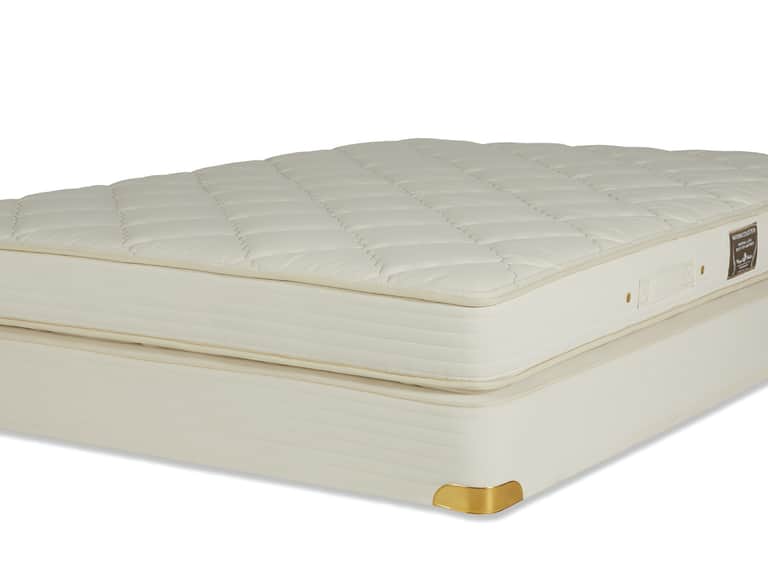
Luxurious, natural latex support hugs your body with balanced, pressure-relieving comfort—keeps you cool, molds to curves, and lasts with a chemical-free, flame-safe wool layer. Good for platform, box-spring, or adjustable bases, with effortless nightly rest.
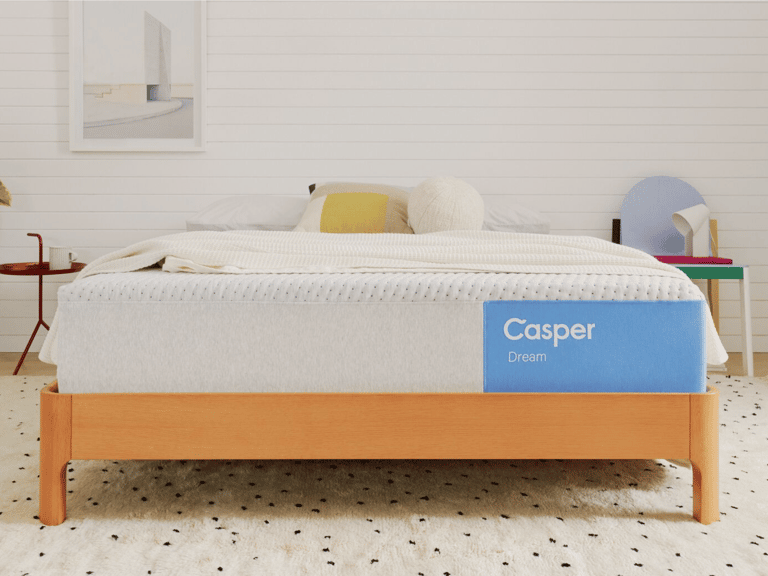
Sleep easy with a durable, natural-looking bed frame—made from sustainable wood and built to last. Enjoy free in-home delivery and assembly for a precise, hassle-free setup that keeps your room calm and timeless.